
Mitom TV – Link Xem Bóng Đá Bình Luận Trực Tiếp Chất Lượng 2024
Mitom TV là trang chủ phát sóng trực tiếp các trận đấu bóng đá và cung cấp những thông tin, dịch vụ liên quan. Khi vào trang web chính thức, fan túc cầu sẽ được đắm chìm trong đam mê với trái bóng. Có nhiều tính năng và tiện ích vượt trội đáp ứng nhu cầu của người hâm mộ, cùng tìm hiểu chi tiết trong bài viết nhé.
Đôi nét về chuyên trang bóng đá Mitom TV
Mitom TV là trang web lý tưởng dành cho các tín đồ cá độ và những người yêu bóng đá. Hệ thống cung cấp nhiều tính năng và tiện ích liên quan đến thể thao, đặc biệt là phát sóng trực tiếp những trận cầu kinh điển trên toàn thế giới. Sau nhiều năm hoạt động, thương hiệu đã có chỗ đứng vững trên thị trường giải trí trực tuyến.
Trang web không chỉ cam kết về mức độ uy tín mà còn đảm bảo về chất lượng thông tin đến tay người dùng. Nếu các fan túc cầu thường xuyên phải tìm kiếm các link xem bóng đá chất lượng thì điều này không còn là vấn đề khi đến với Mitom TV. Hệ thống cung cấp các đường dẫn an toàn để người dùng theo dõi những trận cầu đỉnh cao.
Để đáp ứng đa dạng nhu cầu, đơn vị còn tích hợp thêm nhiều danh mục tương ứng với nhiều tính năng khác. Những thông tin quan trọng như lịch thi đấu, bảng xếp hạng, livescore, kết quả trận đấu, highlight, …
Thành công của Mitom TV kể từ khi thành lập tới nay
Khi được thành lập và ra mắt thị trường giải trí trực tuyến, đơn vị đã khẳng định về chất lượng và mức độ uy tín của mình. Thương hiệu không ngừng gặt hái thành công, cụ thể như sau:
Lọt top các web phát trực tiếp bóng đá
Mitom TV ra đời và gây tiếng vang lớn trong thị trường giải trí lĩnh vực thể thao. Thương hiệu đã vinh dự lọt “Top 1 danh sách từ khóa về thương hiệu trực tiếp bóng đá”. Đây là điểm đến đáng tin cậy của hàng triệu người hâm mộ tại Việt Nam nói riêng và trên thế giới nói chung. Đảm bảo mang tới những trải nghiệm xem bóng đá thú vị, ấn tượng và hài lòng nhất.
Bằng sự tận tâm, sáng tạo của mình, hệ thống không ngừng phát triển và cải tiến để đáp ứng nhu cầu đa dạng người dùng. Không chỉ giữ vững vị thế mà còn tiếp tục phát triển, mở rộng hệ thống sang các quốc gia khác.

Phục vụ hàng triệu lượt truy cập trong ngày
Một con số khác minh chứng cho sự thành công vượt trội của Mitom TV đó chính là lượng người truy cập trong ngày. Hàng triệu người yêu thích bóng chọn web là điểm đến để giải trí, cập nhật thông tin thể thao. Đây là 1 trong những yếu tố làm động lực để đơn vị phát triển không ngừng, cung cấp dịch vụ tốt hơn.
Mỗi lượt xem, truy cập vào web được coi như nguồn động lực cho đội ngũ phát triển hệ thống. Hoạt động với mục tiêu phi lợi nhuận, phi thương mại nên đích đến cuối cùng là làm hài lòng mọi người dùng.
Các danh mục nổi bật, tiện ích mà Mitom TV phục vụ người chơi
Như đã chia sẻ, web không chỉ cung cấp link xem bóng đá trực tiếp https://www.jslefanu.com/ mà còn mang tới nhiều tiện ích khác cho fan túc cầu trải nghiệm.
Lịch thi đấu bóng đá
Lịch thi đấu bóng đá trên trang chủ được hiển thị rõ ràng, đầy đủ thông tin, dễ nhìn và theo dõi. Mọi trận đấu sắp diễn ra đều được update đầy đủ, không chỉ giúp người truy cập nắm bắt dữ liệu và sắp xếp thời gian theo dõi.
Trực tiếp bóng đá
Tính năng xem trực tiếp bóng đá là 1 trong những yếu tố tạo nên sự thành công vang dội của Mitom TV. Người hâm mộ được theo dõi mọi trận đấu lớn nhỏ trên hành tinh như Ngoại Hạng Anh, La Liga và Serie A, World Cup, Euro…
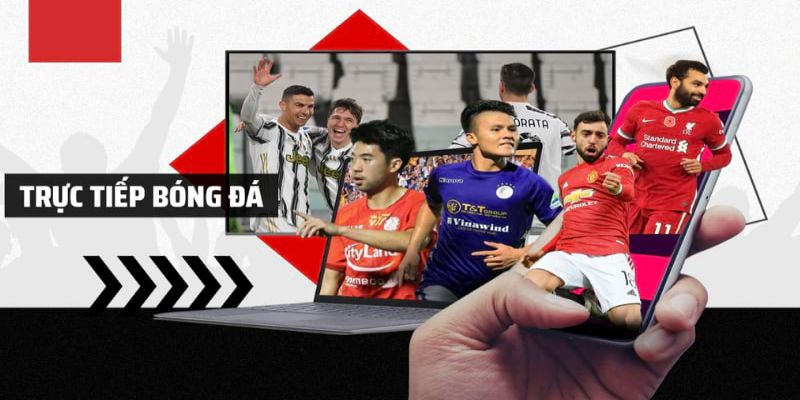
Đảm bảo bạn sẽ không bỏ lỡ bất cứ trận đấu quan trọng nào, ở bất cứ đâu cũng có thể theo dõi trực tiếp. Hơn nữa hệ thống truyền tải vô cùng mượt mà, hình ảnh sắc nét, video chất lượng full HD cho người xem thưởng thức trận đấu 1 cách mãn nhãn.
Tin hot về bóng đá
Mitom TV cung cấp các thông tin hot nhất về thể thao, đặc biệt là bóng đá 1 cách đầy đủ, nhanh chóng và chính xác nhất. Các tin từ giải đấu lớn đến đội bóng, cầu thủ, huấn luyện viên, chuyển nhượng… tất cả đều có đủ. Tính năng hot news này giúp fan túc cầu luôn nắm bắt được diễn biến mới nhất của thế giới bóng đá.
Livescore – trực tiếp tỷ số
Tại Mitom TV anh em được cập nhật toàn bộ những trận đấu trên hành tinh với đầy đủ thông tin chi tiết. Hơn nữa người hâm mộ cũng có thể theo dõi kết quả của nhiều trận đấu cùng lúc. Chắc chắn thông tin được chọn lọc, trình bày khoa học, chỉ cần chạm nhẹ là mọi thứ đều hiển thị trên màn hình.
Livescore vô cùng hiện đại giúp người dùng theo dõi tỷ số trực tiếp của trận đấu đang diễn ra 1 cách nhanh chóng. Các chỉ số được update theo từng phút, từng giây đảm bảo xát với dữ liệu trận đấu.
Kết quả bóng đá
Nếu không có thời gian theo dõi trọn vẹn 90 phút thi đấu chính thức để biết kết quả cuối cùng thì bạn có thể vào danh mục kết quả bóng đá tại Mitom TV. Đơn vị cung cấp kết quả của mọi trận đấu được tổ chức trong ngày trên thế giới như Serie A, Bundesliga, Ngoại hạng Anh, Laliga, …Bạn cũng có thể theo dõi kết quả trận đấu vừa kết thúc hoặc những cuộc chạm trán từ trước đó.
Bảng xếp hạng
Một tính năng quan trọng đối với người chơi cá cược bóng đá đó chính là bảng xếp hạng. Dựa vào thông tin trên bảng xếp hạng bạn sẽ có cái nhìn tổng quan nhất về giải đấu, năng lực và phong độ của từng đội chơi. Nó sẽ hiển thị chi tiết các thông tin về chỉ số thắng thua hòa, tổng điểm và vị trí của từng đội. Sau mỗi trận đấu thì các thông tin đều được cập nhật mới để anh em nắm bắt được diễn biến mùa giải.
Nhận định kèo
MitomTV cung cấp các thông tin về nhận định kèo cược của chuyên gia bóng đá hàng đầu hiện nay. Đây là nguồn tin hữu ích giúp tín đồ cá độ có cái nhìn tổng quan về tình thình trận đấu để có những dự đoán chính xác nhất về kết quả chung cuộc.
Các chuyên gia không chỉ nhận định dựa trên dữ liệu và thống kê kết quả trong quá khứ. Đội ngũ của Mitom TV còn dựa vào đội hình, phong độ ở thời điểm hiện tại. Những trận đối đầu của 2 đội chơi trước đó cũng lược lật lại để đưa ra đánh giá khách quan, chính xác và toàn diện nhất.
Highlight bóng đá
Highlight bóng đá của Mitom TV là 1 lựa chọn tuyệt vời cho những anh em không có thời gian theo dõi trận đấu mà vẫn muốn nắm bắt diễn biến cụ thể. Theo đó hệ thống sẽ cung cấp các tình huống, phá bóng đẹp và gay cấn, quan trọng nhất trận đấu.
Thay vì phải xem cả trận thì chỉ cần vài phút xem lại highlight là có thể tóm tắt được những khoảnh khắc vàng của bóng đá. Tính năng này giúp người dùng vừa tiết kiệm thời gian mà vẫn có cái nhìn súc tích về diễn biến.
Xem lại bóng đá
Không chỉ cung cấp tính năng phát sóng trực tiếp bóng đá, hệ thống còn lưu lại những video trận đấu để người dùng có thể xem lại. Nếu ai bỏ lỡ trận đấu mình thích thì vẫn có thể vào trang để theo dõi lại từ đầu. Đây là tính năng tiện lợi cho những người không sắp xếp được thời gian xem trực tiếp. Đảm bảo chất lượng phát sóng lại vô cùng sắc nét và mượt mà.
Tổng hợp những giải đấu lớn mà Mitom TV cung cấp trên trang chủ
Mitom TV tự hào là đơn vị đi đầu trong lĩnh vực phát sóng trực tiếp bóng đá 24/7, đảm bảo người hâm mộ được theo dõi toàn bộ trận đấu mình thích. Tất cả các giải lớn nhỏ trên thế giới đều hội tụ đủ, từ giải quy mô quốc tế cho tới quốc gia.
World Cup
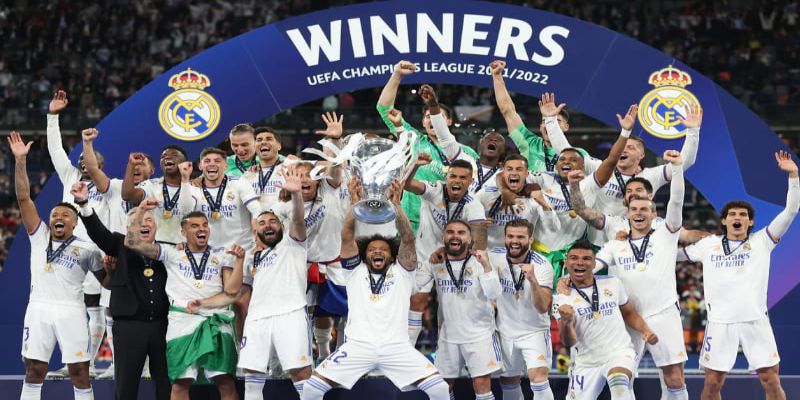
FIFA World Cup là giải đấu bóng đá vĩ đại nhất trên thế giới, thu hút sự quan tâm và theo dõi của hàng tỷ dân. Định kỳ 4 năm mới được tổ chức 1 lần nên World Cup luôn là tâm điểm mỗi khi mùa giải tới, trang chủ của Mitom TV lại trở nên sống động hơn bao giờ hết.
EURO
Euro cũng được diễn ra định kỳ mỗi 4 năm và sức hấp dẫn không kém cạnh khi so với World Cup. Tuy nhiên giải đấu này chỉ dành cho các đội tuyển từ các quốc gia thành viên của liên đoàn bóng đá châu Âu. Tính chất của Euro là sự cạnh tranh mạnh mẽ về thể lực.
Để có cơ hội đi vào vòng trong của Giải Vô địch Bóng đá châu Âu này, các đội bóng phải chạy đua vô cùng khốc liệt. Nếu là fan túc cầu thì đừng bỏ lỡ không khí sôi động mà các đội bóng châu Âu mang lại nhé.
Premier League
Ngoại Hạng Anh Premier League là đấu trường hàng đầu của các câu lạc bộ xuất sắc nhất Vương Quốc Anh. Có những cái tên nổi tiếng như Man City, Arsenal, Liverpool… đều góp mặt để tranh giành chức vô địch.
Mitom TV cung cấp đầy đủ các thông tin liên quan về giải Ngoại Hạng Anh, từ lịch thi đấu, đội hình, chiến thuật, huấn luyện viên, cầu thủ chấn thương…Đừng bỏ lỡ những thông tin quan trọng được hệ thống update trước giờ bóng lăn nhé.
Bundesliga
Bundesliga là Giải Vô địch Bóng đá Đức với sự tham gia của 18 đội bóng hàng đầu quốc gia này. Có những cái tên quen thuộc như Bayern, Dortmund, Leverkusen…. chắc chắn sẽ mang tới những trận cầu khốc liệt, sôi động.
Serie A
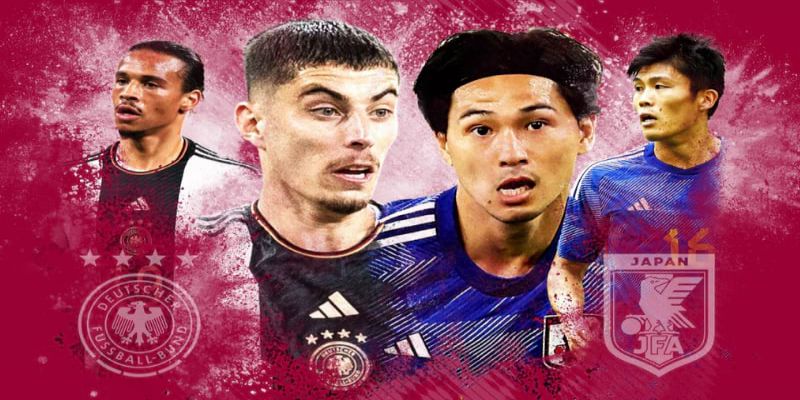
Serie A là Giải Vô địch Bóng đá Ý cũng thu hút sự chú ý của fan túc cầu trên thế giới khi hội tụ những đội bóng lớn trong nước. Các trận cầu mang tới cảm xúc đa dạng cho người xem, anh em sẽ được sống cùng những khoảnh khắc đẹp nhất trong bóng đá.
Ligue 1
Ligue 1 là Giải Vô địch Bóng đá Quốc gia Pháp mang đậm tinh thần cạnh tranh của giữa các đội tuyển. Sức hút của giải đấu không chỉ ảnh hưởng trong khu vực quốc gia Pháp mà còn là mối quan tâm của khán giả trên toàn cầu.
V-League
Bên cạnh những giải bóng quốc gia Pháp, Đức, Anh, Ý… thì Mitom TV cũng rất quan tâm người hâm mộ bóng đá Việt Nam. Giải đấu V-League cũng được cung cấp link xem trực tiếp cùng những thông tin liên quan để các thành viên nhiệt huyết với bóng đá nước nhà thưởng thức.
Các yếu tố, ưu điểm vượt trội của Mitom TV chinh phục người dùng
Không chỉ chú trọng vào các tính năng và tiện ích, Mitom TV còn tập trung vào các điểm chạm với người dùng. Cùng khám phá thêm trong nội dung bên dưới, chắc chắn người dùng khó tính nhất cũng bị chinh phục.
Giao diện đỉnh cao
Bóng đá trực tiếp Mitom TV không chỉ tập trung vào nội dung mà còn chú trọng tới trải nghiệm, cụ thể là về mặt hình ảnh, giao diện. Các thiết kế thể hiện sự đầu tư chỉn chủ, tỉ mỉ, thân thiện với người dùng. Bạn sẽ dễ dàng tìm kiếm được những mục mình cần, dễ đọc và dễ hiểu.
Hơn nữa sự kết hợp giữa các màu sắc và trình bày logic cũng khiến người xem cảm thấy thoải mái, không hề bị mỏi mắt khi xem quá lâu. Những nút chức năng được sắp xếp hợp lý giúp các fan bóng đá tiếp cận dễ dàng, sử dụng thuận tiện.
Hỗ trợ đa thiết bị
Mitom TV phát trực tiếp bóng đá chất lượng cao cho thành viên theo dõi trên nhiều nền tảng và thiết bị khác nhau như máy tính, điện thoại, ipad, laptop…Mọi người chỉ cần kết nối với internet là có thể truy cập xem bóng đá 1 cách dễ dàng, đảm bảo an toàn và chất lượng vượt trội.
Bên cạnh đó hệ thống còn tối ưu hóa hiển thị trên từng giao diện cho trải nghiệm trọn vẹn nhất. Kể cả màn hình nhỏ của điện thoại hay màn hình lớn của máy tính cũng theo dõi mọi khoảnh khắc vàng của trận bóng
Nói không với quảng cáo
Trực tiếp bóng đá tại Mitom TV ghi điểm trong lòng người dùng bởi hệ thống nói không với quảng cáo rác. Điều này giúp quá trình xem hoặc update thông tin không bị gián đoạn, gây mất tập trung.
Sử dụng dịch vụ miễn phí
Mitom TV được xây dựng với mục tiêu là mang tới sân chơi thể thao, bóng đá chất lượng và uy tín cho người dùng. Hoạt động phi lợi ích, phi thương mại nên bạn truy cập sử dụng dịch vụ tại đây là hoàn toàn miễn phí. Không cần đăng ký tài khoản hay nạp bất cứ khoản tiền nào để xem bóng đá hay update thông tin.
Trong trường hợp bạn truy cập vào web nào yêu cầu trả phí thì chắc chắn đó là trang giả mạo của Mitom TV. Hãy thoát ngay lập tức để đảm bảo an toàn dữ liệu cá nhân, tránh virus xâm nhập thiết bị và những rủi ro khó lường khác.
Tốc độ tải mượt mà
Mitom TV chú trọng trải nghiệm người xem nên xây dựng hệ thống phát bóng đá trực tiếp chất lượng, tốc độ tải nhanh và mượt mà. Dịch vụ tối ưu hóa để người dùng không phải chờ lâu, không mất nhiều thời gian gây ức chế. Đảm bảo trong quá trình xem không hề bị giật lag, văng khỏi link khi đang xem. Cũng có nhiều liên kết được cung cấp phòng trường hợp link chính thức bị lỗi.
Bình luận viên Mitom TV chuyên nghiệp, dí dỏm
Nhân tố quyết định cho sức hút, hấp dẫn của 1 trận bóng đó chính là bình luận viên. Những BLV tại Mitom TV có nhiều năm kinh nghiệm bình luận trận đấu, có kiến thức sâu rộng về bóng đá và sở hữu lối diễn đạt dễ hiểu, dí dỏm, hài hước. Những thông tin mà họ đưa ra đi kèm cả yếu tố chuyên môn lẫn phân tích, nhận định tình huống, phán đoán chiến thuật…

Tất cả sẽ giúp fan túc cầu có cái nhìn đa chiều và rõ nét nhất về trận bóng. Bạn sẽ cảm nhận được bầu không khí cuồng nhiệt, sống động, như đang được đứng tại sân vận động theo dõi trực tiếp.
Những cái tên như Giàng A Phò với chất giọng ấm, bình luận vui vẻ đã mang tới cảm hứng cho nhiều người xem. Hay Captain cũng là người đã gắn bó trong nhiều trận đấu cùng fan túc cầu với kiến thức chuyên sâu, lối dẫn dắt thông minh. Cũng không thể bỏ qua cái tên Leo góp phần tạo nên thành công của Mitom TV với lối dẫn cực kỳ cảm xúc.
Tính năng tương tác khi xem trực tiếp
Mitom TV được coi là nơi gắn kết giữa những người hâm mộ bóng đá với nhau thông qua tính năng tương tác giữa người xem và bình luận viên. Tại phòng livestream bóng đá bạn có thể đồng hành cùng BLV, đưa ra các ý kiến cá nhân và thoải mái bày tỏ cảm xúc của mình.
Nếu bạn ấn tượng với bình luận viên nào thì có thể tặng quà tinh thần trên kênh cho họ. Cứ sau mỗi ngày truy cập bạn có thể nhận được tích điểm quà tặng và dành nó cho những BLV mình thích. Đây là ưu điểm đánh giá được sự hài lòng của người xem khi sử dụng dịch vụ.
Có nhiều link xem trực tiếp
Mitom TV không chỉ cung cấp 1 link xem bóng đá trực tiếp mà còn chuyển bị nhiều liên kết khác nhau. Điều này để tránh tình trạng lỗi truy cập, hệ thống quá tải hoặc bị đối thủ chơi xấu. Người dùng vẫn còn các đường link dự phòng khác để vào xem bóng đá, đồng hành cùng bình luận viên và các đội bóng.

Lời kết
Trên đây là những thông tin chi tiết về trang chủ bóng đá Mitom TV – điểm đến lý tưởng cho fan túc cầu thế giới. Hệ thống liên tục phát triển và cải thiện để đáp ứng nhu cầu ngày càng đa dạng của người dùng. Hãy truy cập ngay mitomtv để thưởng thức những trận cầu kinh điển được phát trực tiếp tại đây nhé.